
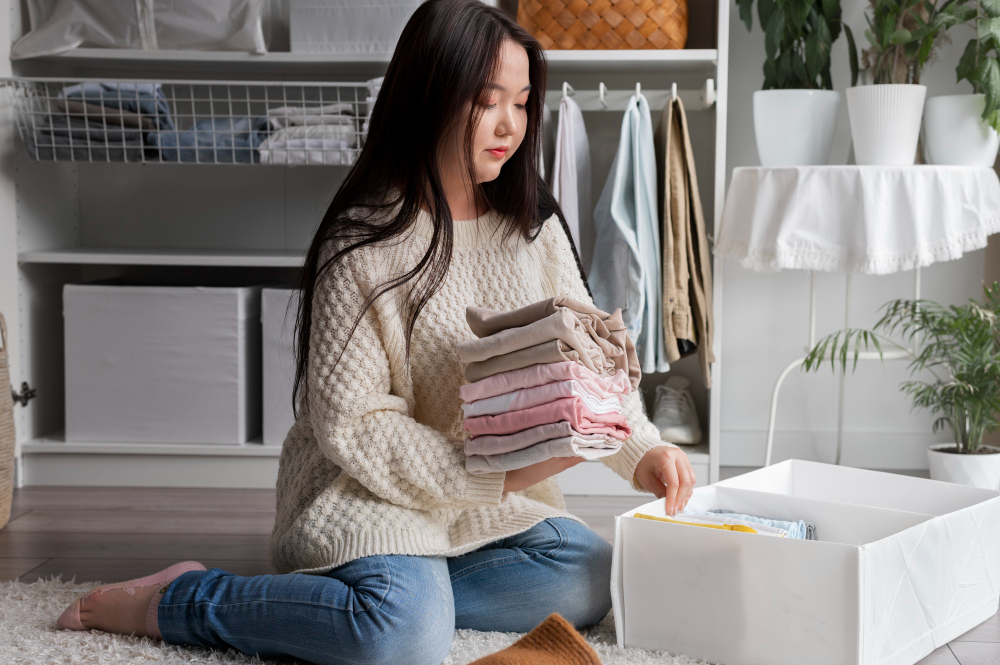
Sustainability has become a defining trend across industries, and the lingerie market is no exception. As consumers become more environmentally conscious, brands are adapting by prioritising sustainable materials and ethical manufacturing practices. This shift is shaping not only the types of fabrics used in lingerie but also how consumers approach lingerie wardrobe planning. In this blog, we’ll explore the role of sustainability in the future of lingerie fabrics and provide tips for integrating eco-friendly choices into your wardrobe planning.
Last updated: April 4, 2026. This article has been reviewed and updated to reflect current information.
The Growing Demand for Sustainable Lingerie
In recent years, the lingerie market has seen a noticeable shift towards sustainability. Consumers are increasingly looking for brands that align with their values, seeking products made from eco-friendly materials, produced under ethical conditions, and with minimal environmental impact. As awareness grows about the environmental toll of fast fashion, the demand for sustainable lingerie continues to rise.
This change is also influencing how lingerie is viewed. What was once considered a basic necessity is now being approached with more thought and care, focusing on not only style and comfort but also longevity and environmental responsibility. The trend toward sustainability is also closely tied to more conscious lingerie wardrobe planning, where consumers consider the lifecycle of the products they purchase.
Expansion strategies like these reflect broader retail growth frameworks applied across industries. Companies that embrace sustainability in lingerie not only contribute to environmental goals but also align themselves with a larger movement of sustainable consumerism that is reshaping retail landscapes globally.

Key Materials in Sustainable Lingerie Fabrics
Sustainable lingerie fabrics are crafted with the environment in mind, using natural, recycled, and eco-friendly materials. Below, we explore some of the key materials that are making a significant impact on the lingerie market.
Organic Cotton
Organic cotton is one of the most popular fabrics used in sustainable lingerie. Unlike conventional cotton, which is grown using harmful pesticides and chemicals, organic cotton is cultivated without synthetic fertilisers, making it much safer for both the environment and the workers involved in its production. It’s also biodegradable, adding to its sustainability.
Bamboo Fabric
Bamboo fabric is known for its softness, which rivals traditional cotton. It’s also eco-friendly, as bamboo is a fast-growing plant that requires little water or pesticides. Additionally, bamboo fabric is biodegradable, ensuring it won’t contribute to landfills once it’s worn out. These qualities make bamboo fabric an attractive option for lingerie brands looking to offer both comfort and sustainability.
Recycled Polyester
Recycled polyester is made from plastic waste, such as old plastic bottles or discarded fabrics. By reusing plastic waste, the need for virgin polyester is reduced, helping to cut down on pollution and waste. In lingerie, recycled polyester offers the same durability and stretch as traditional polyester, making it an excellent sustainable choice for activewear-style lingerie.
Tencel (Lyocell)
Tencel, also known as lyocell, is made from sustainably sourced wood pulp, usually from eucalyptus trees. It’s produced in a closed-loop process that recycles water and solvents, minimising the environmental impact of production. Tencel is breathable, hypoallergenic, and biodegradable, making it a great choice for eco-conscious lingerie brands.
Hemp Fabric
Hemp is another eco-friendly material that has been gaining popularity in the fashion industry. It requires fewer resources to grow compared to cotton, using little water and no pesticides. Hemp fabric is also naturally breathable, durable, and biodegradable, making it a great addition to sustainable lingerie collections.
The Role of Lingerie Wardrobe Planning in Sustainability
Lingerie wardrobe planning is an important consideration for anyone looking to build a more sustainable collection. By thinking carefully about the types of fabrics you choose, how long your pieces will last, and how often they need to be replaced, you can create a wardrobe that’s both functional and eco-friendly.
Building a Sustainable Lingerie Wardrobe
To ensure that your lingerie wardrobe is as sustainable as possible, here are some key tips to consider:
- Prioritise Quality Over Quantity: Rather than buying numerous cheap pieces, focus on investing in high-quality lingerie made from sustainable materials. These pieces will last longer and reduce the need for frequent replacements.
- Stick to Timeless Styles: Choose classic designs that won’t go out of fashion. By selecting versatile pieces that can be worn on multiple occasions, you’ll get more use out of them and avoid the need to buy new pieces every season.
- Opt for Neutral and Versatile Colours: When planning your lingerie wardrobe, it’s a good idea to choose neutral colours that can easily be mixed and matched. This makes it easier to create different outfits without having to purchase new lingerie for every occasion.
- Comfort Is Key: Sustainable lingerie often offers better comfort, which not only enhances wearability but also ensures the longevity of the pieces. Comfortable lingerie means you’re more likely to wear it often, extending its lifespan.
Sustainable operational strategies are crucial for businesses to adapt, and Jaivin Karnani highlights how these practices can be applied not only in the fashion industry but across various sectors. By integrating sustainability into core operations, businesses can achieve long-term growth while positively contributing to the environment.
Lingerie Storage Tips for Longevity
Proper storage plays an essential role in maintaining the longevity of your lingerie. Sustainable fabrics can be delicate, so taking extra care when storing your lingerie can help keep it in good condition for longer.
How to Store Your Lingerie Properly
Here are some key tips for lingerie storage that can help you preserve your eco-friendly pieces:
- Avoid Hanging Your Lingerie: Hanging lingerie can stretch out the fabric over time, especially with delicate materials like lace and silk. Instead, fold your lingerie neatly and store it in drawers.
- Use Breathable Storage Bags: For especially delicate pieces, consider using breathable fabric bags to protect your lingerie from dust and moisture. This can help maintain the shape and condition of your lingerie.
- Don’t Overstuff Drawers: Make sure your lingerie has enough room to breathe and avoid being squished under heavy items. Overloading drawers can cause the fabrics to lose their shape and elasticity.
- Rotate Your Pieces: Avoid wearing the same pieces too frequently. By rotating your lingerie, you’ll reduce the wear and tear on individual items, extending their lifespan.
Innovations in Sustainable Fabric Production
Manufacturers are constantly seeking new ways to produce lingerie fabrics with minimal environmental impact. Some of the most exciting innovations in fabric production include:
Waterless Dyeing Technologies
Traditional fabric dyeing processes are notorious for their heavy use of water and chemicals. However, waterless dyeing technologies are now being used to reduce the environmental impact of dyeing fabrics. By eliminating water from the dyeing process, these technologies help reduce water pollution and waste, making them a more sustainable choice for lingerie brands.
Circular Economy Practices
Some lingerie brands are embracing the circular economy, where products are designed to be reused, repaired, or recycled. These brands offer take-back schemes for old lingerie, ensuring that it doesn’t end up in landfills. By using recycled fabrics or offering garment repair services, they are making strides toward a more sustainable future.
Conclusion
Sustainability is reshaping the future of lingerie fabrics, and this shift is not only benefiting the environment but also creating a more thoughtful and conscious approach to lingerie wardrobe planning. By choosing eco-friendly fabrics, investing in high-quality pieces, and following proper storage tips, consumers can contribute to a more sustainable fashion industry. Brands that prioritise sustainability will not only meet the growing demand for eco-friendly products but also help create a more sustainable future for the lingerie market.
Leadership in operational strategy across industries demonstrates how sustainability can be seamlessly integrated into business models for greater impact. This perspective reflects broader operational strategy work across regulated and security-sensitive industries, showcasing how strategic expansion can align with sustainability goals.