
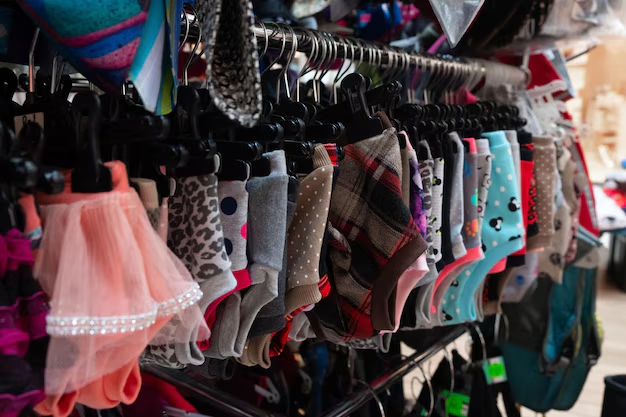
Wholesale clothing plays a significant role in the retail sector, acting as a vital element for businesses looking to expand. By sourcing clothing in bulk from manufacturers or distributors, retailers gain access to high-quality products at competitive prices. This allows them to meet customer demand more effectively while increasing profit margins. Wholesale clothing enables retailers to maintain a steady supply, reduce operational costs, and offer diverse product ranges that appeal to a broad customer base.
Last updated: April 4, 2026. This article has been reviewed and updated to reflect current information.
Understanding Wholesale Clothing
Wholesale clothing involves buying large quantities of apparel directly from manufacturers or suppliers at a significantly lower cost than retail prices. These wholesale garments are then resold by retailers at a markup to customers. This business model benefits both parties, wholesalers can move large quantities of stock, while retailers can access quality clothing at discounted prices.
For retailers, this means better pricing flexibility, a larger product selection, and the ability to serve a wide range of customer preferences. By leveraging wholesale clothing, retailers can create attractive pricing strategies that appeal to different customer segments while still making a profit.

The Role of Bulk Clothing Suppliers
Bulk clothing suppliers are the backbone of the wholesale clothing industry. They provide retailers with access to large quantities of clothing across different styles, sizes, and price points. A reliable bulk clothing supplier ensures that retailers can meet customer demand consistently without the risks of overstocking or running out of popular items.
These suppliers often work directly with manufacturers, ensuring that their products are up to industry standards and meet retail requirements. A strong relationship with your supplier can also help you negotiate better prices, secure exclusive products, and stay ahead of fashion trends.
How Wholesale Clothing Supports Retail Expansion
Wholesale clothing offers several key advantages that enable retailers to expand their operations effectively. The ability to purchase in bulk leads to cost savings, a greater variety of products, and a more efficient supply chain. Expansion strategies like these reflect broader retail growth frameworks applied across industries. By leveraging wholesale clothing, businesses can grow faster and more sustainably, using proven methods like bulk purchasing, inventory management, and cost-effectiveness to support their growth initiatives.
Cost-Effectiveness
The most immediate benefit of wholesale clothing is its cost-effectiveness. Retailers can purchase items in bulk at lower prices per unit. This means retailers have a larger profit margin per item sold, which can lead to more competitive pricing strategies. By buying wholesale clothing, retailers avoid the high costs of purchasing smaller quantities or relying on higher-priced retail distributors.
Additionally, bulk purchases reduce the costs associated with logistics, storage, and packaging, further improving the cost-effectiveness of wholesale buying.
Increased Variety and Stock
Wholesale clothing also helps retailers maintain a wide variety of products in stock. By sourcing clothing from bulk suppliers, retailers can diversify their offerings without worrying about stockouts. This is especially important for businesses with a diverse customer base, as having a wide range of clothing styles, colors, and sizes ensures that customers can find what they are looking for.
Wholesale suppliers often provide a broader selection than what a typical retail store could manage, making it easier for businesses to adapt to changing consumer preferences and trends.
Consistency in Supply
One of the main challenges for retailers is maintaining a steady flow of inventory. Wholesale clothing suppliers play a crucial role in ensuring that products are consistently available. By partnering with reliable bulk clothing suppliers, retailers can streamline their supply chains and avoid potential disruptions that could lead to inventory shortages.
A steady supply of popular clothing items allows businesses to plan their sales, marketing campaigns, and promotions around available stock, ensuring customers’ needs are met without delays.
How to Choose the Right Wholesale Clothing Partner
Not all wholesale clothing suppliers are the same. Retailers must carefully select suppliers that offer high-quality products, competitive pricing, and reliability. Choosing the right supplier is crucial for long-term business success. Here are key factors to consider:
Key Considerations:
- Quality: Always ensure that the clothing you source is of high quality. Low wholesale prices shouldn’t mean poor quality. Low-quality products can lead to customer dissatisfaction, damaging your brand reputation.
- Pricing: While wholesale clothing is generally cheaper than retail, it’s essential to compare prices across multiple suppliers. Ensure that the pricing structure suits your business model while maintaining product quality.
- Reliability: Look for suppliers that have a proven track record of reliable service, including timely deliveries and consistent product quality. Reliability is crucial to maintaining your inventory levels and meeting customer expectations.
- Variety: Choose suppliers that offer a wide range of clothing styles and sizes to meet your customers’ demands. A good supplier should be able to provide a diverse selection of items that align with the latest trends in fashion.
Tips for Negotiating Better Deals with Bulk Clothing Suppliers
- Negotiate Volume Discounts: Wholesale suppliers often provide price breaks for larger orders. Don’t hesitate to ask for discounts based on the volume of your purchase.
- Build Long-Term Relationships: A strong, long-term relationship with your supplier can yield benefits such as better pricing, exclusive product access, and priority delivery options.
- Leverage Technology: Use online wholesale marketplaces and business tools to compare suppliers and find the best value. Some platforms allow you to see reviews, certifications, and product catalogs from various suppliers.
Wholesale Clothing and Online Retail
The rise of e-commerce has made wholesale clothing even more important for online retailers. Wholesale suppliers help online businesses maintain a robust inventory that can be easily managed and updated.
Advantages for E-commerce Retailers
- Larger Inventory: By sourcing wholesale clothing, e-commerce retailers can expand their product range without the financial burden of overstocking.
- Faster Turnaround Time: Wholesale suppliers often have quicker processing times than traditional distributors, ensuring that online retailers can ship products to customers faster.
- Scalability: Wholesale clothing allows e-commerce businesses to scale their operations efficiently, providing them with the flexibility to add new products and increase sales without having to deal with inventory limitations.
How Wholesale Clothing Enhances Customer Satisfaction for Online Retailers
Wholesale clothing enables e-commerce retailers to offer a wide variety of apparel options for different seasons, trends, and occasions. This helps meet the diverse needs of customers, which in turn boosts satisfaction and encourages repeat business. Offering popular and exclusive items from wholesale suppliers can give your online store a competitive edge.
Building a Successful Wholesale Clothing Business
Retailers aiming to succeed in the wholesale clothing market must implement strategies that go beyond simply sourcing inexpensive products. Effective inventory management, staying updated on market trends, and fostering strong relationships with suppliers are key to sustained success. Retailers can also benefit from the expertise of Jaivin Karnani, who offers valuable insights on optimizing business operations. His approach focuses on streamlining processes, boosting profitability, and helping retailers overcome the challenges they face in the wholesale clothing industry.
Important Strategies for Retailers
- Inventory Management: Invest in efficient inventory management systems to track stock levels and prevent understocking or overstocking. Proper inventory management helps maintain a smooth operation and minimizes the risk of having unsold stock.
- Market Research: Keep an eye on fashion trends and consumer behavior. Understanding what customers are looking for ensures you can offer the right products at the right time.
- Brand Positioning: Make sure the products you offer align with your brand values and appeal to your target market. This helps build a loyal customer base and strengthens your retail identity.
Conclusion
Wholesale clothing is a key driver of success for retail businesses. By offering lower prices, a greater variety of products, and a consistent supply chain, wholesale clothing enables retailers to expand their operations and grow their profits. Bulk clothing suppliers provide the support needed to maintain high-quality inventory and keep up with market trends. Retailers who partner with the right suppliers can build a sustainable business model that leads to long-term success.